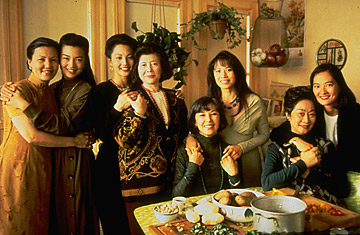
In 1993, The Joy Luck Club made history. Based on Amy Tan’s bestselling novel and directed by Wayne Wang, it was one of the first major Hollywood films to feature a predominantly Asian and Asian-American cast. With universal themes of family, sacrifice, and identity, it touched the hearts of millions.
But despite its trailblazing success, The Joy Luck Club has also faced quiet critique—especially from within the Asian-American community—for its sometimes inauthentic emotional tone, glossy production, and a tendency to oversimplify nuanced cultural experiences.
 Waverly Jong: The Chess Prodigy Caught Between Cultures
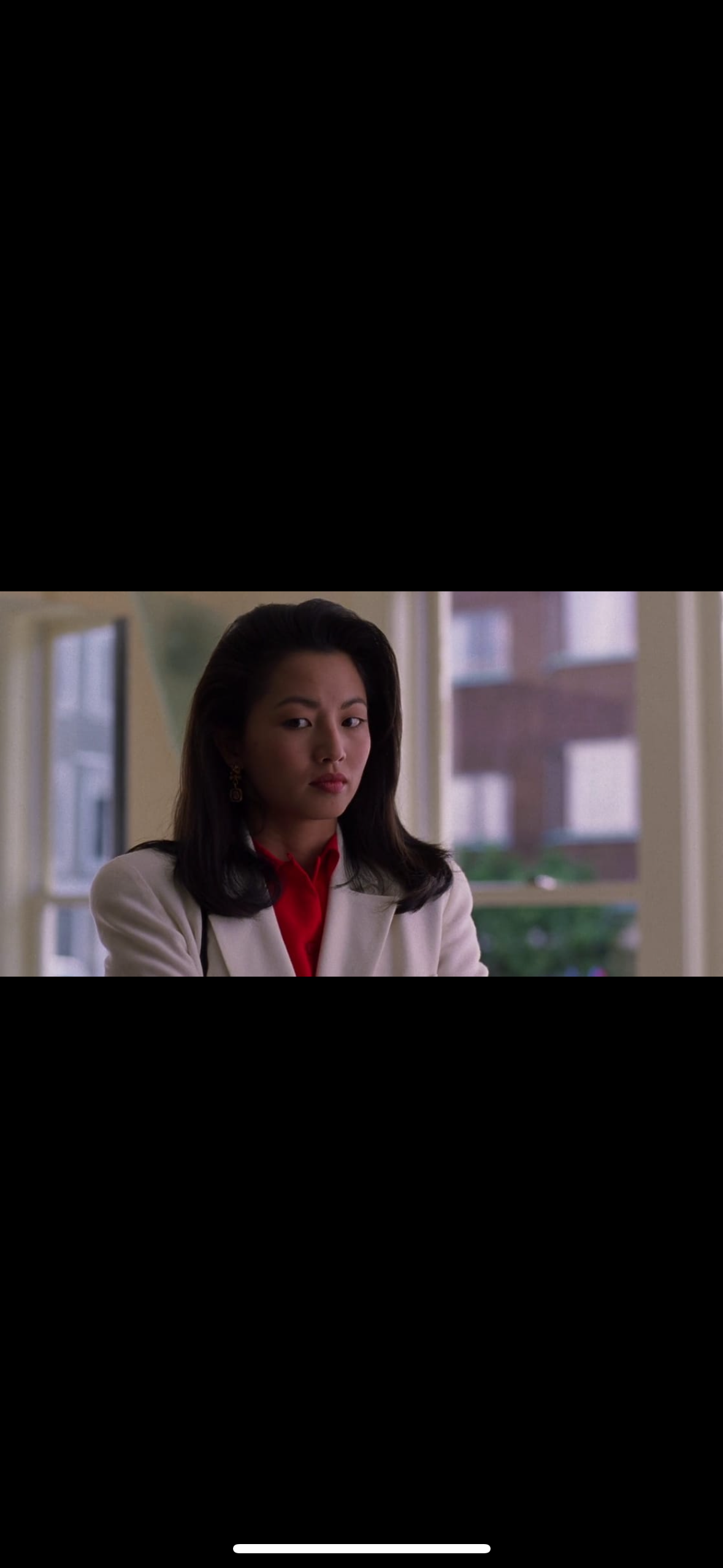
Among the ensemble, Waverly Jong’s story stands out. Played by Tamlyn Tomita, Waverly is a Chinese-American girl raised in San Francisco’s Chinatown, who becomes a national chess champion as a child.

Her story represents the struggle of the second-generation immigrant daughter: excelling in the American world while burdened by traditional expectations at home. Her relationship with her mother, Lindo Jong, is fraught with passive-aggressive tension, pride, and deep cultural misunderstanding.
Yet in the film adaptation, this emotional complexity is sometimes dulled. The visual style is lush, the performances polished, but the messy, unresolved emotional truths from the novel are often softened or abbreviated.
 A Tale of Two Wangs: Why Wayne Wang’s Earlier Work Felt More Real
Director Wayne Wang was no stranger to authenticity. His earlier indie films like Chan Is Missing (1982) and Dim Sum: A Little Bit of Heart (1985) tackled Asian-American identity with raw intimacy and observational nuance.
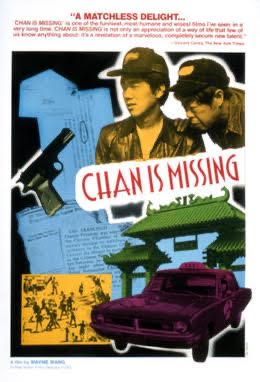
But The Joy Luck Club, produced by Oliver Stone and backed by a Hollywood budget, shifted gears. With sweeping music, glossy lighting, and an ensemble storytelling structure, the film sometimes sacrifices grit for grandeur.
As a result, some critics and viewers have called it “Hollywood’s version of authenticity”—well-intentioned but a little too neat.
 Why the Film Still Resonates — And Why It’s Worth Rewatching
Despite its limitations, The Joy Luck Club remains a cultural milestone. It paved the way for later Asian-American films like Saving Face, Crazy Rich Asians, and Everything Everywhere All At Once.
And performances like Tamlyn Tomita’s Waverly Jong still shine. Her frustration, her sharp intellect, and her identity tug-of-war are relatable across generations. Even when the screenplay glosses over deeper wounds, the character endures.
 Final Thoughts: Glossy, Yes—But Still Groundbreaking
So is The Joy Luck Club authentic? Yes—and no.
It’s a Hollywood adaptation of an intimate novel, shaped by the industry’s limitations at the time. It opened doors. It inspired. But it also left room for the next generation of filmmakers to go deeper, be bolder, and tell even truer stories.
 Want to See Waverly Jong in Action?
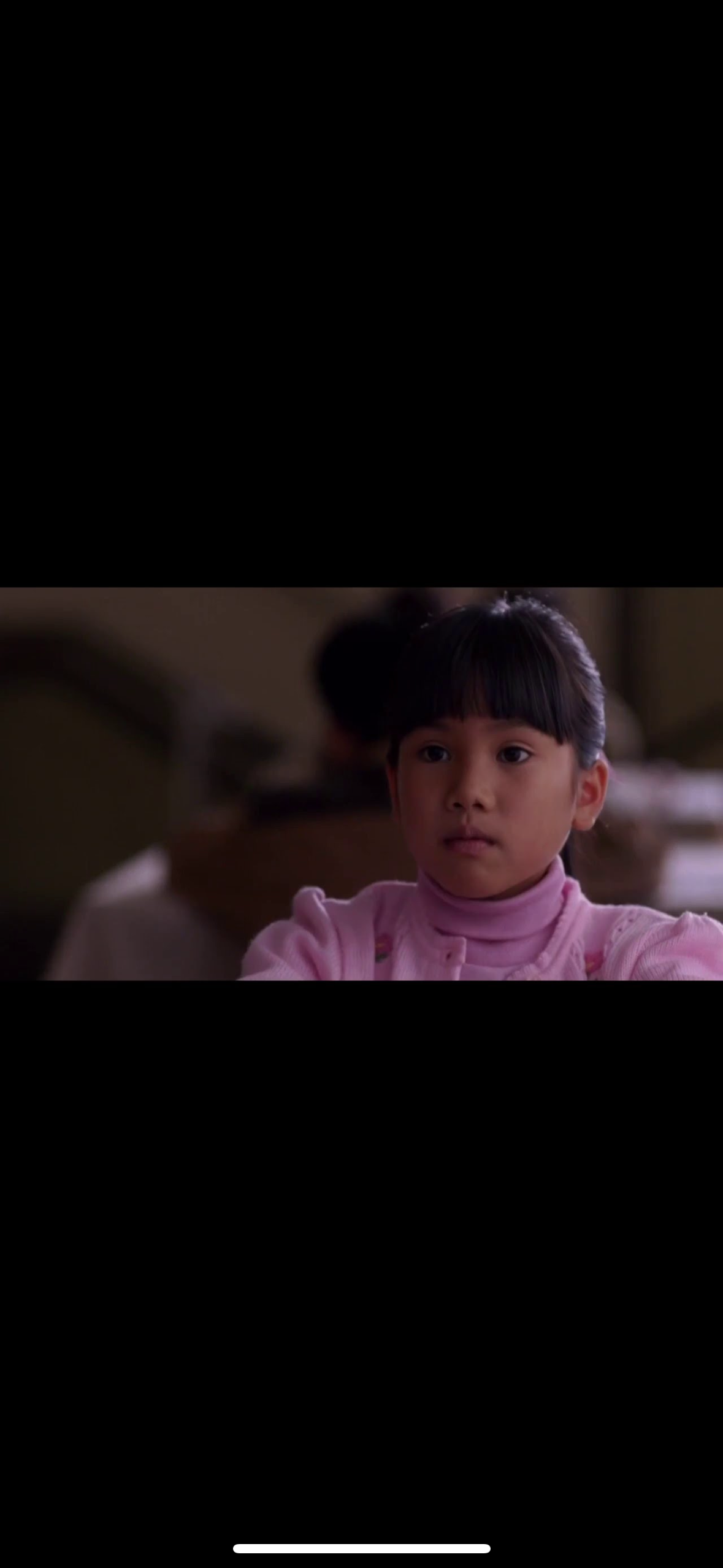
Check out these film stills of Waverly Jong, including scenes from the Chinatown chess park, the salon confrontation, and her moments of mother-daughter tension.
 Watch this and Chill
Leave a comment