
The story: Just before the 2024-2025 season got underway, Chelsea announced that the ground would no longer allow players to sign autographs and take photos. There is much to discuss here. The women’s game has recently moved to a greater prominence, these are new things for the club to consider.

Chelsea’s statement cited safety and sustainability as the reasons for the change, given the increasing size of crowds and the rush that occurs after games. To compensate, the club has promised organized meet-and-greet opportunities, aiming to preserve some level of interaction between fans and players. But so fans worry that this will significantly alter the special inviting atmosphere of women’s football.
Here are the possible behind Chelsea’s decision:
1. Fan Connections: One of the unique elements of women’s football has been the direct, personal connection fans feel with players, a stark contrast to the more commercialized men’s game. This accessibility has been celebrated as part of the women’s game’s authenticity and charm. Most fans want to interact with the players, and this is usually reciprocated. It may be the case that some players don’t want to do this, in which case, that’s their decision.
2. Growing Popularity: The environment has changed significantly since Chelsea moved to Kingsmeadow in 2017. Attendance has surged, often exceeding 4,000 fans per game, making it difficult to manage the post-game routines safely.
3. Mixed Reactions: While some fans understand the necessity for safety and acknowledge the logistical challenges, others fear losing a vital aspect of what makes the women’s game special. They argue that these interactions build loyalty and maintain the game’s inclusive atmosphere.
I’m not totally surprised by Chelsea’s actions. The team have won their Women’s League five times in a row. But it’s disappointing all the same and I don’t think it will work. It’s likely to have been made by stewards without anyone asking the players what they wanted. We saw this after the announcement at their first game this season. The Tannoy told people that the policy was in place, but fans rushed to the edges anyway. The players seemed to have forgotten the ruling as they went ahead taking photos and signing autographs.
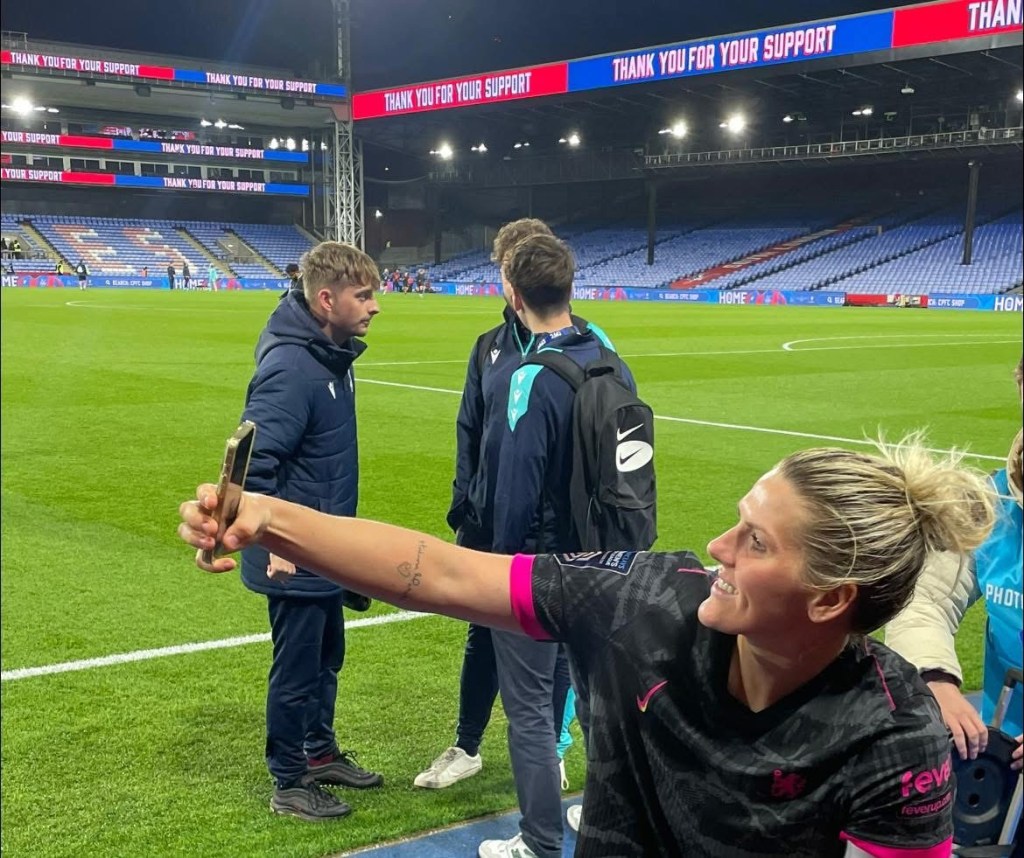
Millie Bright
It was the same thing at Chelsea’s game with Crystal Palace. Flushed with success after their seven-goal win, several key players were happy to take pictures and sign things for players. On the other hand, a few didn’t. And outside the ground, stewards tried to usher fans waiting near the team bus. If it’s player safety, the stewards are always at hand.
Most of the fans of the women’s teams are young girls, often watching games with their parents. It’s a little strange for the decision to be made on the grounds of player safety. Some players have expressed concerns however. Speaking to the Counter pressed podcast, Rachel Daly said that the interest in the players means that fans could find out where players live and she didn’t like it.
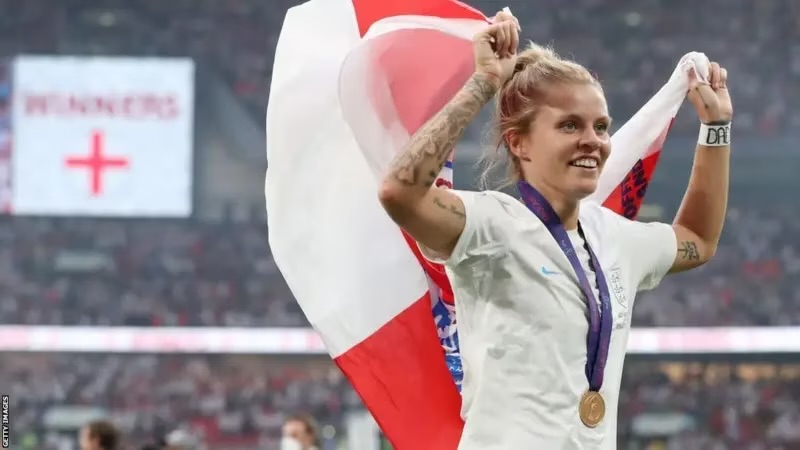
As the interest in women’s football spreads, it brings growth in other areas too. The major stars have their own numbered shirts and posters. If players continue to sign them and these became collectors’ pieces, the clubs will resent this lost revenue. It was telling when Chelsea FC suggested smaller meet & greets for players. Such events are likely to be heavily policed, with fans security searched. Most probably it will be offered as a priced VIP extra, further distancing fans from the players.
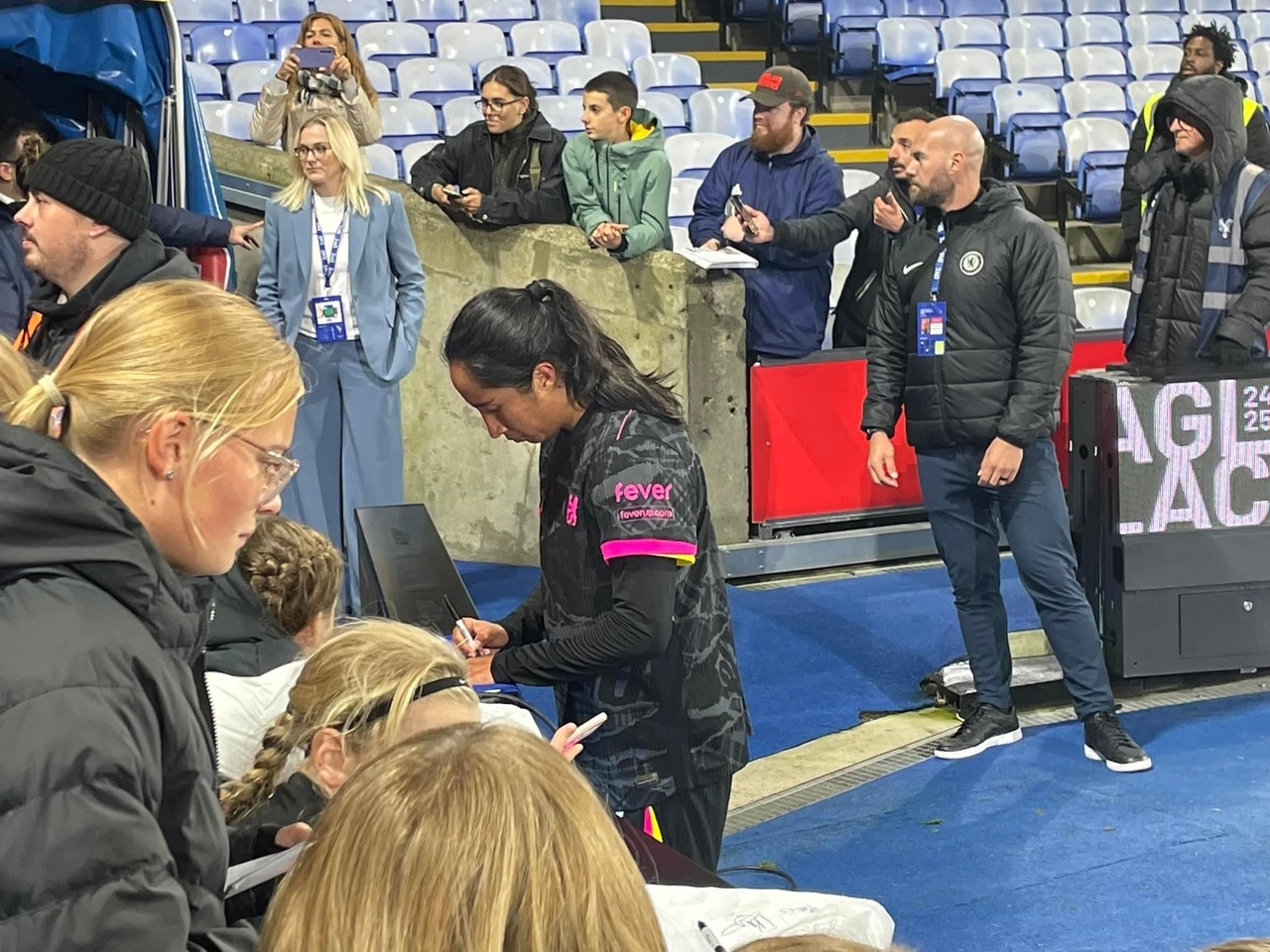
The stakeholders want to follow the lead of the men’s growth but can’t see all the pitfalls of this approach. Meanwhile the fans want to preserve the idea that the women’s game is something independent from the commercialisation of the men’s game but at the same time want the women to have an equal footing.
One team that have found a solution are ManchesterCity Women. At each game, smaller groups of fans are invited to meet some of the players, who are selected randomly. The fans aren’t told which player they will meet, but it’s a much calmer atmosphere for the team members.
Chelsea’s approach reflects a broader trend as women’s football grows: clubs are navigating how to maintain the sport’s grassroots feel while managing the realities of increased attention and commercialization. Other WSL clubs may face similar decisions as attendance continues to rise, emphasizing the need for creative solutions to maintain player-fan connections safely and sustainability.
 Watch this and Chill
Leave a comment