Here’s a little known but important fact: most restaurants don’t tend to last long. Even good ones suffer as much as bad restaurants. It’s therefore something special when a restaurant can weather the storms of fickle customers, business regulations and ever-changing food trends.
But Wagamama was special from the day it opened in a street in London. Most people in London were unfamiliar with anything served on the menu. When it came to eating ‘Asian’ food, the choices were limited to Chinese chow mein or Indian curry.
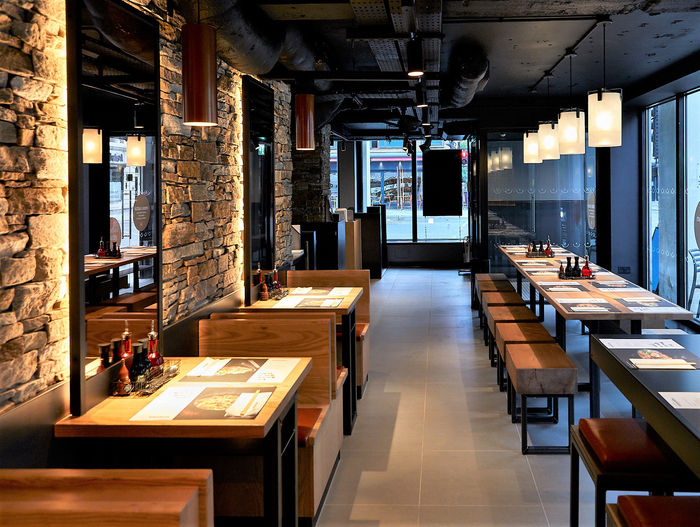
There were buffet restaurants and Indian takeaways in any town, but an actual casual Japanese experience based on the market stalls of Japan? This was unheard of. The early restaurants led the way for the sensibility of Wagamama that remains unchanged to this day: simple and uncluttered yet very stylish at the same time. The tables would be long and bench-like, meaning solo diners wouldn’t feel awkward waiting for a table. There are no reservations, when you go it depends on the amount of customers as to how quickly you are fed.
Another important point was the ordering system. Waiters in branded t-shirts entered your order into mini ipod like devices which were transferred to the kitchen. It’s still like that. With menus already on the table, you spend even less time choosing what to have.
The Key to its success
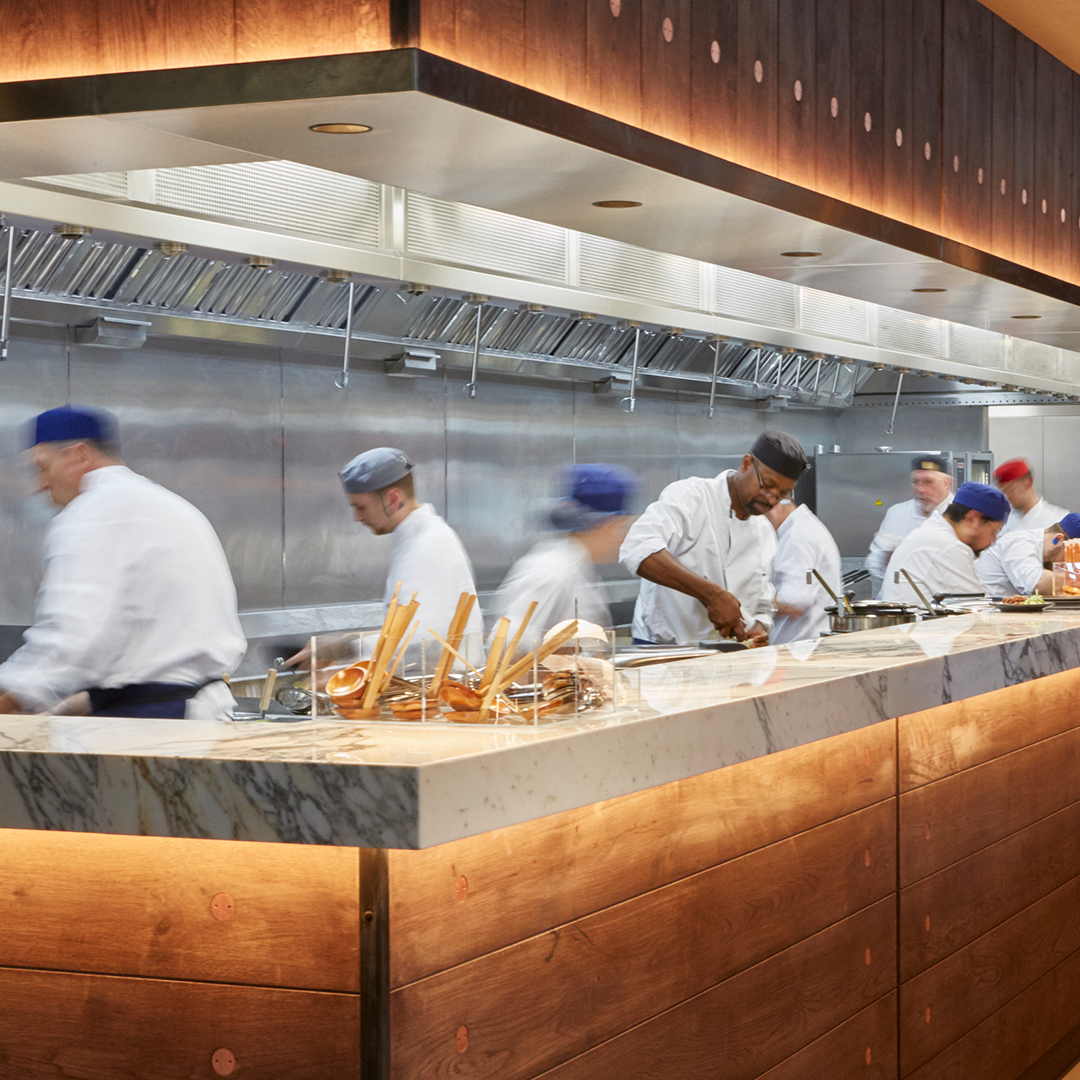
Wagamama may have wanted to be a casual place but there’s nothing casual about the food. On every place-setting, there is a sauce holder containing chili oil, soy sauce and a Japanese spice blend. This allows the customer to choose how spicy (or not) they want their dishes to be. The open layout helps keep the focus on the food, as well as giving waiting customers some theatre to observe.
Part of the restaurant Scene
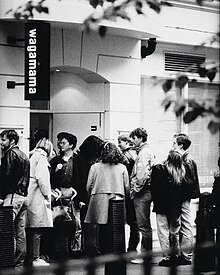
Success wasn’t overnight. Initially, restaurants were scattered around London. The first Wagamama opened in 1992, but by the nineties had opened up in Manchester, and quickly spread over the whole of the UK, with restaurants opening (and staying open) nationwide
Constantly Evolving
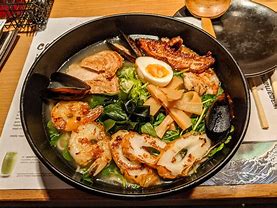
With an initial focus on ramen, Wagamama has evolved to become a ‘pan-asian’ restaurant. New dishes complement the old classics without crowding them out. A few long-running favourites: Bang Bang cauliflower, copied by Dishoom, but these guys were first. Chicken Katsu was not a thing people knew about until Wagamama did it. Ramen: bowls of broth-based noodle soup with various toppings like chicken, beef, or tofu. But they have consistently added new dishes. With menus now featuring up to 50% vegetarian options, they have moved with the times and played a part in changing people’s tastes.
A strong consumer Brand

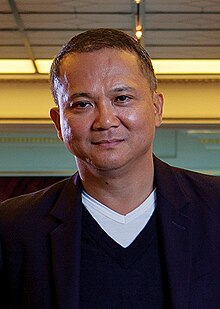
Alan Yau has built an incredible brand. With Wagamama, customers know exactly what to expect. With prices kept low, it’s easy for loyalty to be attained. The green tea is free, which is something you won’t get in any other restaurant. A cookbook was launched in 2004. Other high end restaurants had done this (Le Gavroche, River Cafe) but never a high street chain. Was the book done as a cynical cash-grab? Absolutely not! The book has remained in print since 2005. Written by Hugo Arnold, it has sold consistently. With some people understandably sceptical about purchasing a restaurant cookbook, it has some excellent recipes. Some are classic and super easy provided you have the ingredients. Cha-han on p.67 is dead easy. there are several ramen dishes I might attempt, on the other hand, banana katsu is something I probably only eat at the restaurant, but it doesn’t matter. Owning the cookbook lets fans connect more deeply with the brand.

Future of Wagamama
The restaurant is in very strong position. Although Yau sold the company, its ownership by the Restaurant Group has not altered its original ethos. In 2024, Wagamama opened 11 new restaurants. A recent book, Wagamama Your Way, was published in 2021. You can even purchase Wagamama sauces, meal kits at supermarkets!
And the most recent news is that they announced a food collab with Indonesian foodwriter, Spoons. The dish added to the menu is a deep fried smash chicken with vibrant coleslaw and coconut rice, not only tasting but looking amazing, it’s a fantastic addition to the menu. A high street restaurant working with a little-known foodie is something I never thought I would see but Wagamama has done it. And that could only be the beginning; perhaps more tie-ins to come which will shine a light on some lesser known Asian cuisines
The Future of the Company
Wagamama will build on its position as the Uk’s most successful restaurant group. Look out for more collaborations such as this one in the future.
 Watch this and Chill
Leave a comment