
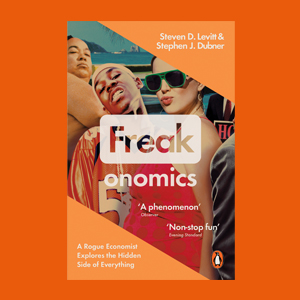
‘In a given year, some forty million Americans swap intimate truths about themselves with complete strangers.’
So begins the chapter of Freakonomics that delves into some of the biggest problems of trying to find someone from the internet. Although carried out before dating apps were available, the findings still apply to the experience of using Bumble and Tinder.
The study showed that there was distortion between the reality and what was shown to dating site users. There was a significant level of self-enhancement, with users feeling that they had to present an embellished version of themselves to appear more attractive.
The survey questioned 20,000 users in San Diego and Boston. The median age range for all users was twenty-one to thirty-five. Although they represented an adequate racial mix to reach some conclusions about race they were predominantly white.
The finding teach us a lot about using dating services, but in many ways, they confirm some of the most deep-seated prejudices about men and women.
Lesson 1 – Be attractive
Fully 72% of female users claimed “above average looks”, with 24 per cent claiming “very good looks”. So, being attractive is important. And it’s even more important now that Bumble and Tinder prioritize photos over any personal information. Attractive women do much, much better on dating apps, although it’s sometimes the case that the photos aren’t even owned by the users of the pictures.

Men reported being attractive too. Even if people might assume that women care less about looks, it was still the case that men presented themselves as attractive (68%), and 19% with above average looks. Figures, as the survey pointed out, that were much higher than the national average. Either respondents were making it up, or they knew, correctly, that if you don’t make yourself seem attractive people won’t bother to contact you.
Lesson 2- Height Matters
Whilst men know that height is important, woman are under less pressure to declare it. The survey found that men usually reported their height an inch taller (on average). Women were in line with the national average, but when it came to weight, it was a different story. With most men expressing a preference for a slim, often petite body size, women typically said they weighed twenty pounds LESS than the national average.
Lesson 3 – Money IS Important, but not as much for women as men
Men often exaggerated their salary, sometimes to ridiculous levels. But women didn’t. Most women who do well with online dating tend to have a decent job. But actually, having high salary didn’t affect the interest all that much. In fact, once women start earning too much, men tended to be scared off.
Salary seemed to be the biggest indicator to a man’s success on dating sites. Put simply, the richer men received the most responses, and this means that a handsome man with an average or below average job will do worse than an ugly guy earning more than $100,000.
Lesson 4 – Race makes a difference too
Perhaps the finding that has drawn the most attention was related to race. Selecting a partner by race isn’t available on Tinder or Bumble. Yet it is possible to do this when using match.com. In the study, most users said they didn’t mind whether their matches were the same race as them. In fact, roughly half of the white women on the site and 80% of the white men declared that race didn’t matter to them. If this was the case, you would expect men to show interest in different races equally, but this didn’t follow.
The white men who said that race didn’t matter sent an overwhelming amount of letters (90%) to white women. And the women who said the same sent 97% of their email enquiries to white men.
The findings showed that black and latino men received only half the emails which they would have had if they were white.
Ariely concluded that race did matter. It certainly mattered more than people implied on their preferences, but most users were probably hoping to seem educated and didn’t want to seem narrow-minded to potential partners.
Lesson 5 – What are you looking for?
There was an interesting finding when it came to men and women’s intentions on dating sites. Most men who said they were looking for a committed long term relationship did much better than those who wanted a casual fling. On the other hand, women who were looking for something short term did great. The expectations are that most women will only be interested in men who are focused on a serious relationship, thus men tailor their profiles to this. An unforeseen consequence is that some men use this to mislead women into believing they are after a serious relationship when they just want a short affair.
There were also some men who were honest about their status – married men made up 7% on the site. They also said they were ‘happily married’, but they didn’t show their photo. In other words gaining a mistress was not as valuable as keeping a happy marriage.
Appearances vs reality
There’s a significant level of self-enhancement or exaggeration in the way people present themselves on dating sites. With most users claiming to be richer, taller, and better-looking than average, it’s clear that many feel the need to present a more idealized version of themselves to attract potential partners. This tendency to embellish highlights the pressure individuals might feel in competitive environments like online dating, where first impressions are often based on profiles alone. The discrepancy between reported attributes and actual statistics suggests that many users might be consciously or unconsciously inflating their qualities, aiming to stand out in a crowded digital marketplace. This also poses challenges for authenticity and trust in online interactions.
Or we could say that it makes it that much harder to know if the person you message online is anything like the physical person. We know that getting dates is very hard. For some of the users, they received no emails at all. Fifty-six percent of the men and twenty-percent of the women didn’t get a single response. When it comes to online and dating apps, it’s actually incredibly hard to avoid our preconceived ideas of men and women.
If you found this interesting, the book Freakonomics is available to buy here:
 Watch this and Chill
Leave a comment